Taylor Washington · 26 September 2026
Coastal Homeowners Deploy Innovative Barriers as Ocean Levels Continue Climbing
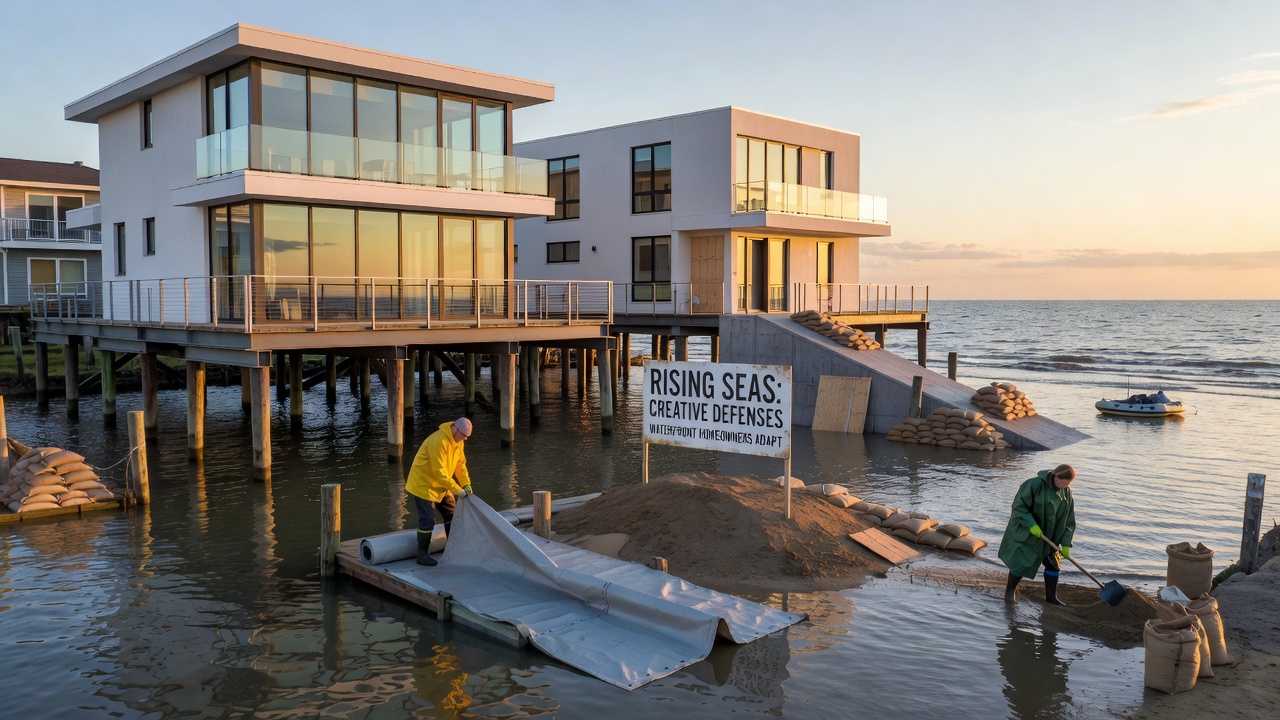
Sea level measurements collected over recent decades show steady increases along many shorelines, and waterfront property owners have responded with a range of engineered and natural adaptations; these measures include raised foundations, permeable barriers, and restored coastal vegetation that together reduce flood exposure while maintaining property functionality. Data compiled by agencies such as the National Oceanic and Atmospheric Administration indicate that average global sea levels rose approximately 8 to 9 inches since 1880, with the rate accelerating in the last three decades. In September 2026 coastal monitoring stations recorded additional increments that aligned with projections from earlier models, prompting renewed attention to site-specific defense strategies.
Documented Patterns of Sea Level Change and Local Impacts
Records from tide gauges and satellite altimetry demonstrate that regional variations occur because of land subsidence, ocean currents, and wind patterns, yet the overall trend remains upward across most coastlines. Homeowners in low-lying areas have observed more frequent tidal flooding, which disrupts access roads and saturates soil around building foundations. Studies conducted by research institutions in North America and Europe confirm that these events now occur several times per year in locations that previously experienced them only during major storms.
Property owners have therefore turned to combinations of hard and soft infrastructure. Elevated pilings lift structures above projected flood heights, while sheet pile walls or geotextile tubes provide immediate perimeter protection. In parallel, many residents have installed living shorelines composed of native grasses, oyster reefs, and mangrove plantings that absorb wave energy and trap sediment. These hybrid approaches appear in project summaries released by the European Environment Agency, which track similar installations across Atlantic and Mediterranean shorelines.
Examples of Adaptive Techniques in Practice
One waterfront community documented the installation of adjustable flood gates that homeowners can deploy manually before high-tide events; the gates connect to existing bulkheads and allow normal waterfront access during calm periods. Another group collaborated with local engineers to test floating breakwater modules anchored offshore, which reduced wave height reaching the shore by measurable percentages during monitored storm events. Researchers have recorded corresponding reductions in erosion rates at sites where these modules operate alongside restored marsh edges.
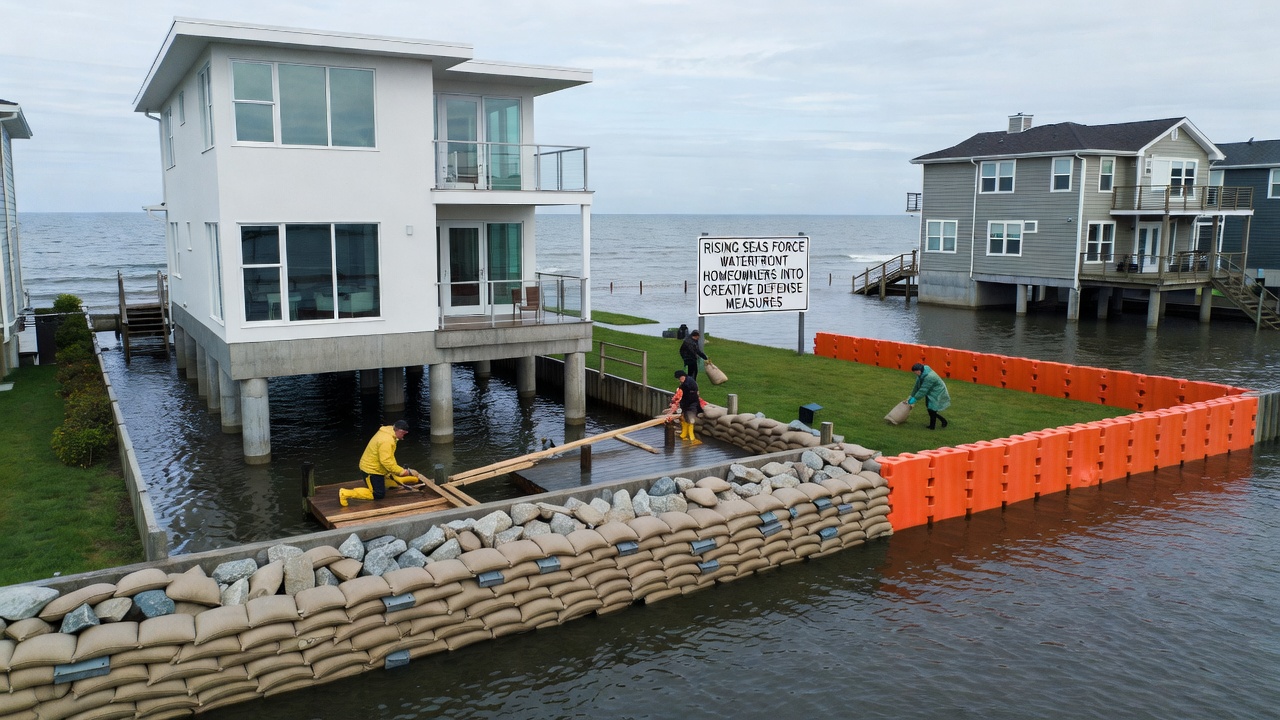
Financing for such projects often combines private investment with grants from regional coastal management programs. In several documented cases, neighborhoods formed special assessment districts to fund shared infrastructure such as pump stations and drainage upgrades. These arrangements distribute costs across multiple parcels and ensure coordinated maintenance schedules that individual owners might otherwise defer.
Regulatory Frameworks and Technical Standards
Building codes in coastal jurisdictions have incorporated updated elevation requirements based on the latest sea level rise scenarios. Permitting processes now require applicants to submit site-specific flood modeling that accounts for both gradual rise and episodic surge events. Compliance documentation submitted to planning boards frequently includes engineered drawings for removable barriers, elevated utilities, and vegetation buffers that meet performance criteria established by state and federal guidelines.
Monitoring programs operated by universities and government laboratories continue to evaluate the long-term effectiveness of these interventions. Data sets track changes in sediment accretion, vegetation coverage, and structural integrity over multi-year periods. Early results suggest that integrated systems combining structural and ecological elements maintain protective function with lower ongoing maintenance demands than traditional hard-armoring alone.
Conclusion
Property records and engineering reports illustrate how waterfront homeowners have integrated multiple defense layers into their sites as sea levels rise. Continued data collection by agencies and research partners supplies the information needed to refine these approaches over time, while permitting systems ensure that new installations align with broader coastal management objectives. The combination of elevation, barriers, and habitat restoration represents the current set of measures applied across affected regions.