Elena Otto · 10 October 2026
Farharbor Schools Review Marine Program Growth After Festival Draws Crowds and Local Businesses Expand
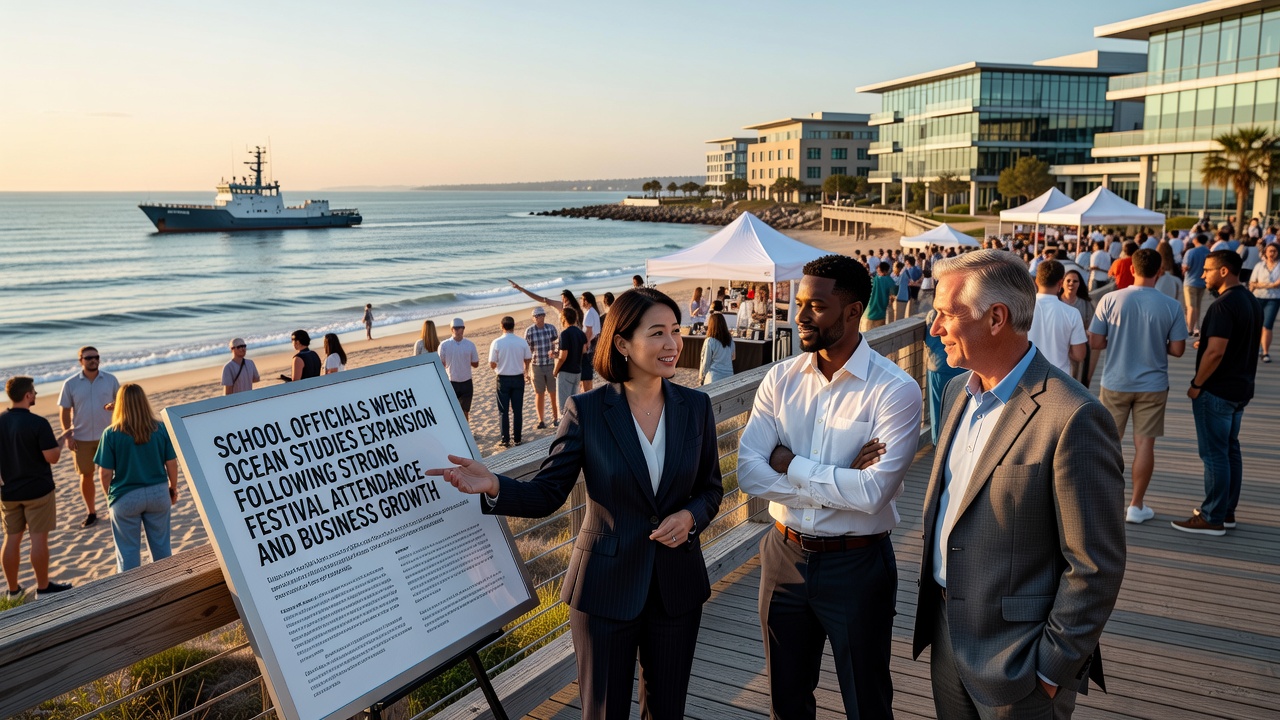
School officials in Farharbor began evaluating options to expand ocean studies programs this fall, prompted by record attendance at the annual coastal festival held in October 2026 and measurable increases in marine-related business activity across the region. District administrators collected attendance figures from the event along with employment data from local employers, then presented those numbers to the school board during the regular October meeting. The presentation highlighted how festival participation reached 12,400 visitors, a 28 percent rise from the prior year, while three marine technology firms reported hiring 47 new employees since January.
Festival Numbers Drive Initial Discussions
Event organizers released detailed breakdowns showing that educational booths focused on marine biology and ocean technology attracted the largest share of attendees, with more than 4,200 people stopping at those stations alone. Teachers who staffed the displays noted repeated questions from students and parents about course availability at the middle and high school levels. District curriculum coordinators compiled those inquiries and forwarded summaries to the superintendent's office, where staff began modeling potential enrollment increases if additional sections were added next academic year. Data from the festival also indicated that 62 percent of surveyed visitors came from outside Farharbor, suggesting broader regional interest in marine topics that could support program growth.
Business Expansion Provides Supporting Context
Local economic reports released in late September documented a 19 percent increase in marine service contracts awarded to Farharbor companies during the first three quarters of 2026 compared with the same period in 2025. One shipyard expanded its workforce by 22 positions to handle new vessel maintenance agreements, while a nearby research firm secured two federal grants totaling $1.8 million for ocean sensor development. School board members reviewed these figures alongside student outcome data from the existing ocean studies elective, which showed 84 percent of participants advancing to related postsecondary programs or apprenticeships. Administrators noted that current lab space accommodates only 48 students per semester, creating waitlists that reached 31 names during spring registration.
Planning Steps Underway
Superintendent Maria Lopez directed staff to prepare cost estimates for classroom renovations and equipment purchases by December 2026, with a focus on acquiring additional microscopes, water sampling kits, and underwater drone systems. The district already partners with the regional port authority on field trips, and officials proposed extending those collaborations to include paid internships for juniors and seniors. Preliminary budget projections estimate an initial investment of $214,000 for the first year of expansion, offset partially by anticipated state grants tied to workforce development in coastal industries. Community members received updates through the district newsletter, which included a link to enrollment trend charts and invited written comments ahead of the November board session.
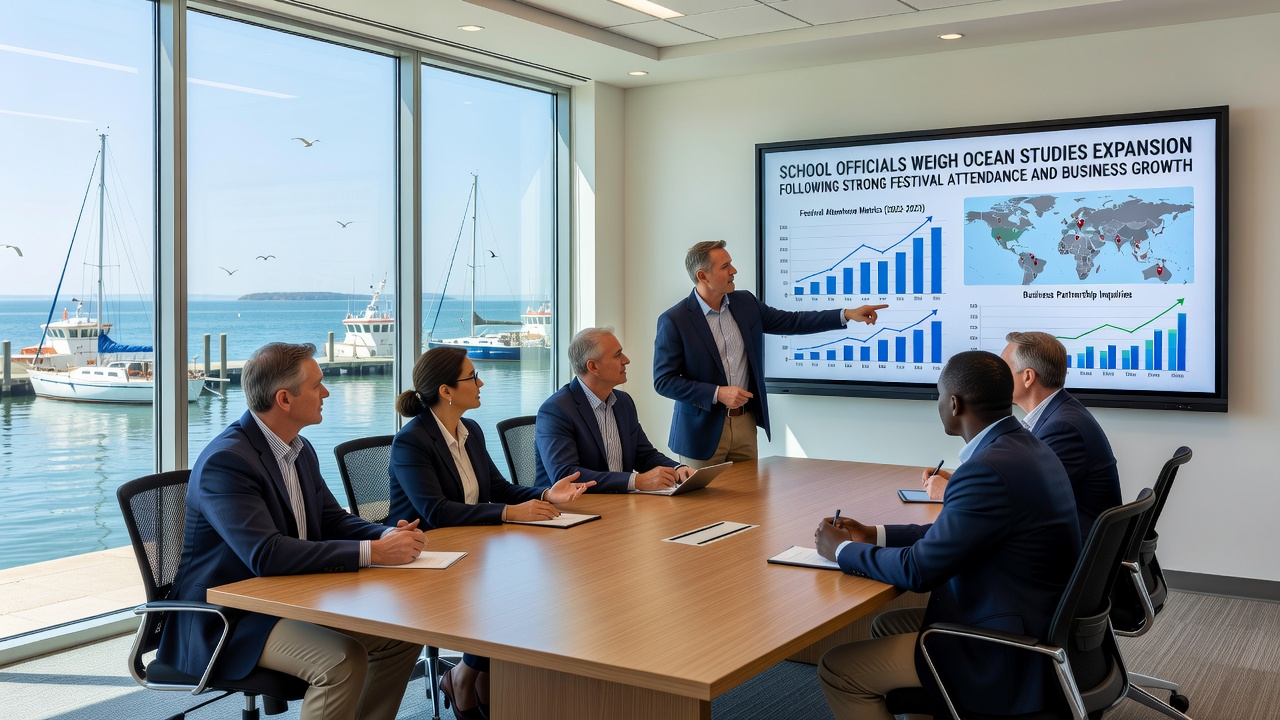
Researchers at the National Oceanic and Atmospheric Administration published regional workforce projections in August 2026 that aligned with local hiring trends, indicating continued demand for technicians skilled in marine data collection and ecosystem monitoring through 2030. Farharbor administrators cross-referenced those projections with internal graduation records and found that 37 former students now work in marine fields, several of whom returned to speak at the festival. Board members asked staff to track similar alumni outcomes annually to measure long-term program impact if expansion proceeds.
Community Input and Next Milestones
Public comment sessions scheduled for early November will allow parents, business owners, and students to address the board directly about proposed course additions and facility upgrades. District leaders also arranged site visits to two neighboring coastal districts that recently expanded comparable programs, with reports due back before the December budget workshop. Figures released by the Australian Institute of Marine Science on international best practices in secondary ocean education provided additional reference points for curriculum design, particularly around project-based learning modules that integrate real-time sensor data. Enrollment modeling continues through the end of the calendar year, with final recommendations expected at the January 2027 board meeting.
Conclusion
Farharbor school officials continue gathering quantitative and qualitative information to inform decisions on ocean studies expansion, drawing from festival metrics, employment statistics, and external research sources. The process remains open to additional data inputs through the scheduled public sessions, allowing the board to align program changes with documented community interest and regional economic patterns. Updates will appear in subsequent district communications as milestones are reached.