Elena Otto · 24 October 2026
Farharbor Waterfront Shop Owners Adjust Operations Based on Updated Seasonal Catch Information
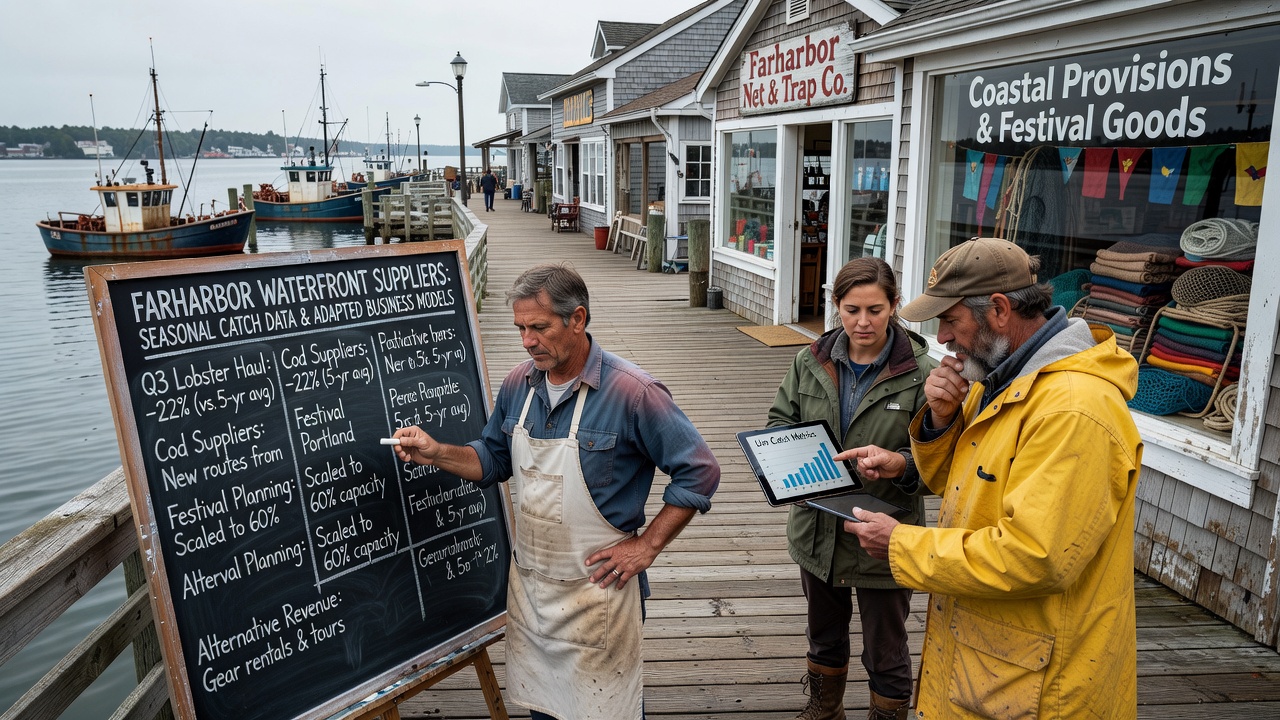
Farharbor's waterfront shop owners have begun modifying their inventory strategies and supplier contracts as recent seasonal catch data reveals shifts in fish populations that affect availability throughout the year, and these changes also influence how local festivals coordinate their seafood offerings. Data collected over multiple seasons shows fluctuations in species like cod and haddock that traditionally supplied many of these businesses, prompting adjustments in ordering patterns and menu planning at restaurants and markets along the docks.
Seasonal Catch Patterns Drive Supplier Reevaluation
Recent reports from regional monitoring programs indicate that catch volumes for certain species have varied notably between spring and fall periods, leading shop owners to diversify their networks beyond single-source suppliers. One retailer who sources directly from local vessels now splits orders between three different fishing cooperatives to maintain steady stock levels, while another has added frozen product lines from processors outside the immediate area to fill gaps during low-catch months. According to data from NOAA Fisheries, these patterns align with broader observations of temperature-related movements in fish stocks along the northeast coast, and businesses in Farharbor have responded by updating their contracts to include flexible delivery terms that account for such variability.
Shop owners report that they review catch statistics monthly rather than quarterly as they once did, allowing quicker pivots when numbers drop for a preferred species. This approach has helped some maintain consistent sales volumes even as raw catch totals shifted by double-digit percentages in key months.
Festival Planning Incorporates New Data Streams
Festival organizers in Farharbor have started incorporating the same catch data into their event timelines, scheduling seafood-focused events during periods when multiple species are expected to be abundant. The annual harbor festival, typically held in late summer, now features backup sourcing agreements with inland distributors after past events faced shortages when local hauls came in below projections. In October 2026, planners for the fall seafood showcase consulted updated harvest forecasts before finalizing vendor lists, ensuring that featured dishes could draw from a wider range of suppliers if primary catches fell short.
These adjustments extend to smaller pop-up markets that line the waterfront during peak tourist months, where owners coordinate group purchases to secure better pricing on alternative catches. Observers note that such collaboration has reduced last-minute substitutions at festival booths and helped stabilize pricing for visitors.
Business Model Shifts Among Dockside Retailers
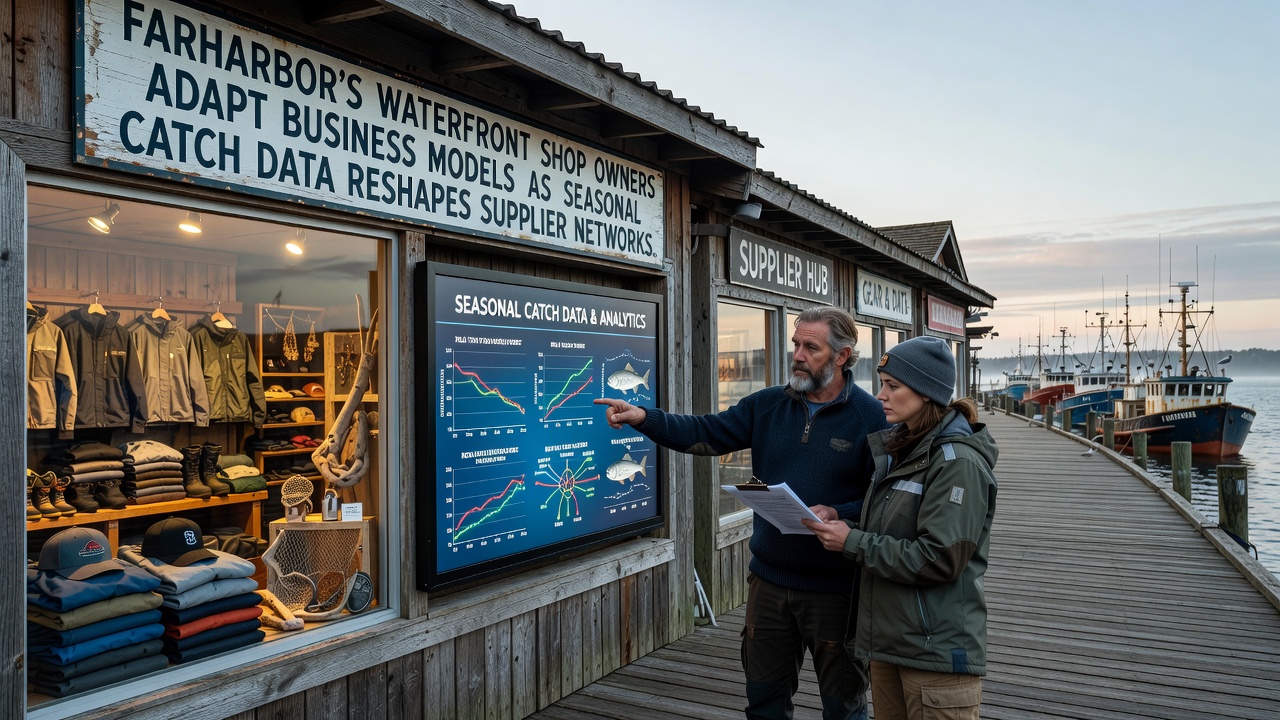
Many waterfront shops have expanded beyond fresh seafood sales to include value-added products such as smoked fillets and prepared chowders that use preserved catches from earlier seasons. This move allows owners to smooth out revenue swings tied to daily or weekly catch reports. A family-run market added online pre-order options tied to forecasted abundance windows, giving customers advance notice of when specific items will be freshest and most plentiful.
Training programs run by local trade groups have helped staff learn to interpret catch data dashboards, turning what was once a back-office task into a daily operational tool. Retailers who adopted these practices early saw their supplier costs stabilize as they avoided rush orders during unexpected shortfalls.
Broader Supply Chain Connections
Links to larger distribution networks have grown more common, with some Farharbor businesses joining regional cooperatives that pool data and orders across multiple ports. This structure provides access to real-time updates from fisheries monitoring stations and reduces reliance on any single vessel or landing site. Industry reports from the Australian Fisheries Management Authority highlight similar cooperative models that have helped smaller operators manage seasonal variability in other coastal regions.
While fresh local product remains the centerpiece for many shops, the addition of these wider connections has allowed owners to offer consistent selections without increasing waste from unsold stock.
Conclusion
Farharbor's waterfront businesses continue to refine their approaches as catch data becomes more integrated into both daily operations and larger event calendars. The combination of diversified suppliers, adjusted festival timing, and expanded product lines reflects a practical response to the information now available on seasonal patterns, and ongoing monitoring will likely shape further refinements in the seasons ahead.