Elena Otto · 12 September 2026
Harbor District Revival Fuels Growing Demand for Marine Science Education in Farharbor Schools
The harbor district has undergone significant upgrades in recent years, including expanded docking facilities, improved water quality monitoring stations, and new research vessels that now operate from the central pier, while these changes have coincided with a noticeable uptick in student participation in marine science programs across local schools.
Enrollment in elective marine biology and oceanography courses rose by 35 percent during the 2025-2026 academic year according to district records, and administrators attribute part of this growth to increased visibility of marine research activities that students encounter during community events and field trips.
Key Infrastructure Improvements Driving Educational Interest
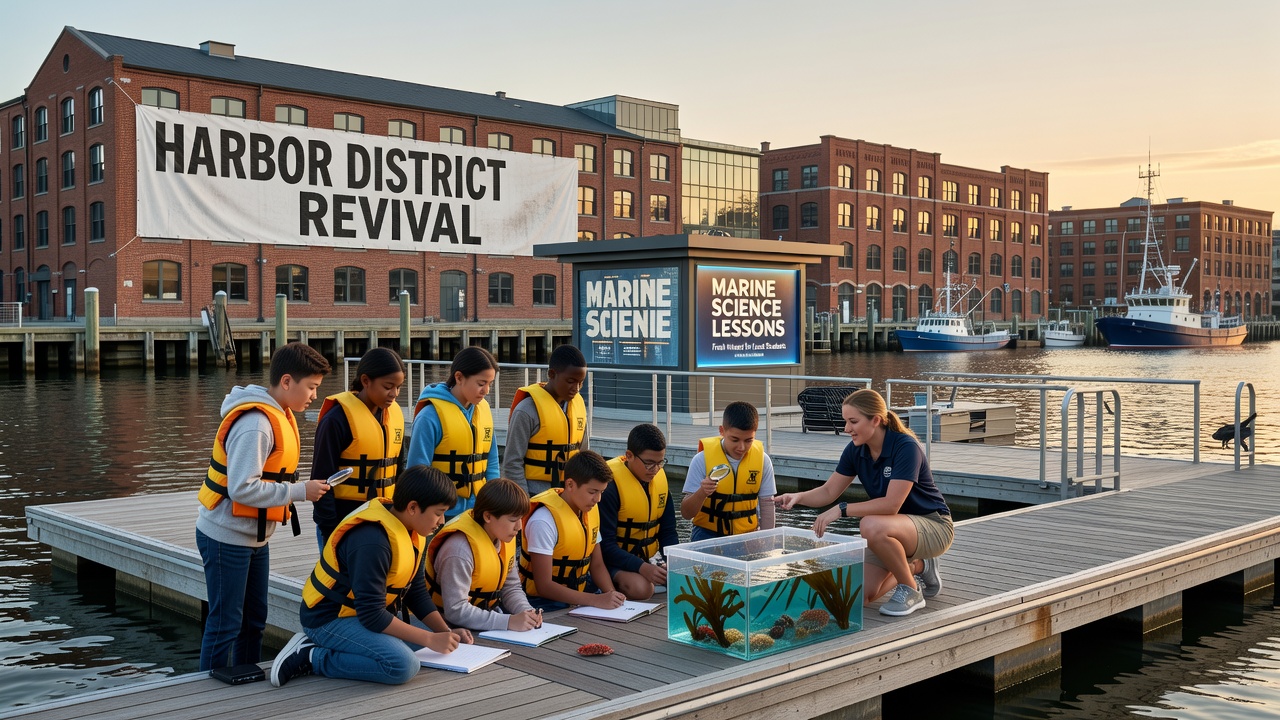
Renovations completed in early 2025 added three new floating classrooms and a dedicated pier section reserved for educational vessels, which allows schools to schedule regular on-water sessions without competing for commercial space, and the added capacity supports hands-on lessons in water sampling, species identification, and basic navigation techniques.
Local partners supplied equipment such as underwater cameras and sediment analysis kits that now form part of the standard curriculum, while data collected by students during these outings feeds into ongoing harbor monitoring reports shared with regional agencies.
Program Expansion and September 2026 Launch Timeline
Farharbor Unified School District plans to introduce two new semester-long modules focused on coastal ecology and sustainable fisheries beginning in September 2026, and these additions will integrate directly with the harbor district's existing research calendar so that classes align with seasonal migration studies and water quality assessments already underway.
Teachers have received training through workshops hosted at the new harbor education center, which covers both field protocols and data interpretation methods, and the district reports that more than 120 students have pre-registered for the upcoming modules.
Student Participation Trends and Supporting Data
Surveys conducted by the school district show that 68 percent of participating students cite the visible harbor activity as their primary reason for choosing marine science electives, while another 22 percent mention family members employed in harbor-related fields as an influence.
Similar patterns appear in other coastal communities that have completed comparable revitalization projects, as noted in reports from the National Oceanic and Atmospheric Administration, which track how updated waterfront infrastructure correlates with higher youth engagement in marine studies.
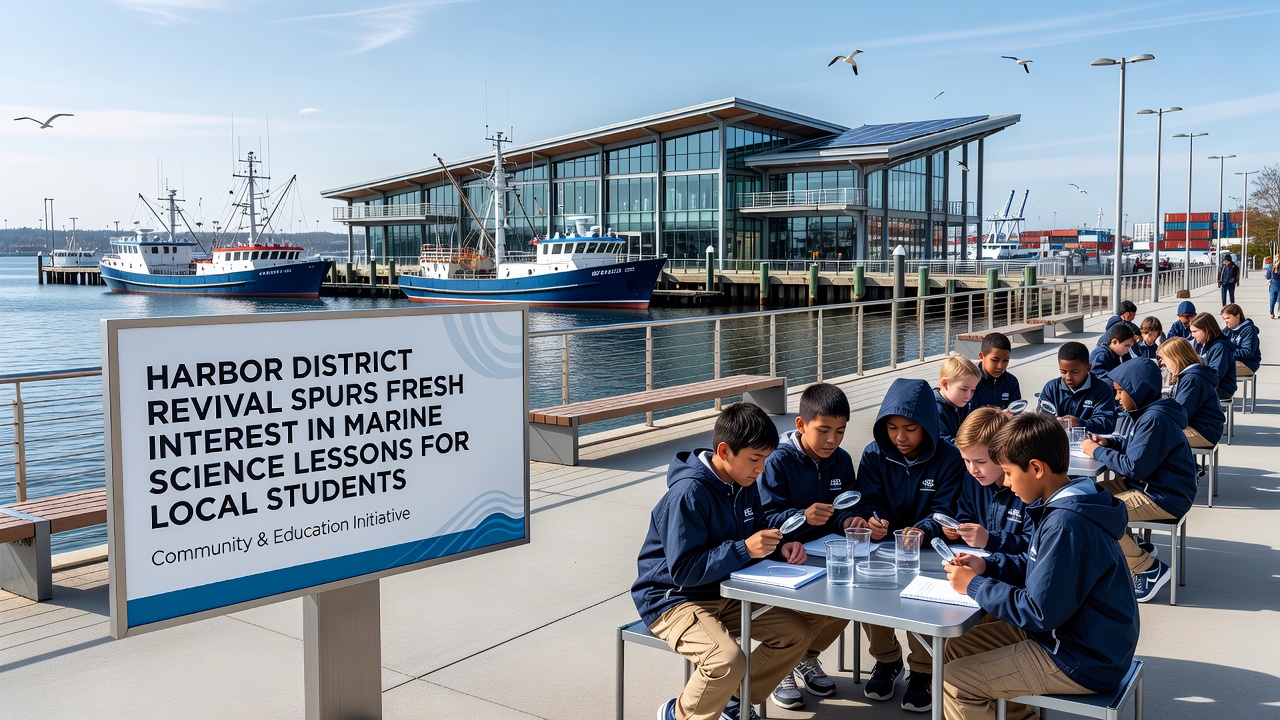
One middle school class recently completed a multi-week project mapping eelgrass beds using the harbor's new monitoring equipment, and the resulting dataset was incorporated into a larger report submitted to state environmental officials, demonstrating how classroom work now connects directly to professional research efforts.
Partnerships and Resource Sharing
Local universities have increased their presence in the harbor district by offering joint summer research opportunities that feed back into high school curricula, and these collaborations provide equipment loans plus guest instructors who specialize in topics such as plankton analysis and current modeling.
The Australian Institute of Marine Science has shared open-source lesson templates on reef monitoring that Farharbor educators adapted for temperate harbor conditions, which illustrates how international resources support localized instruction.
Community organizations supply transportation funding that covers bus and boat costs for field sessions, ensuring that cost does not limit access for students from lower-income households, and participation rates across income brackets have remained balanced since the program expansions began.
Conclusion
Harbor district improvements continue to shape educational offerings by supplying both physical resources and real-world context for marine science instruction, and ongoing coordination between schools, researchers, and harbor operators suggests that enrollment and curriculum depth will keep pace with further waterfront developments scheduled through 2027.